CBN’s Dollar War Chest Hits $54bn as Naira Edges Toward N1,300$

The Central Bank’s foreign reserves have climbed to their highest level in nearly two decades, even as it keeps interest rates high to tame inflation.
Nigeria’s foreign exchange reserves have risen to about $54 billion, their highest level in 18 years, as the naira firmed toward the N1,300 to the dollar mark at the official market window this week.
According to market data reported by Nairametrics, the naira has been trading in a band of roughly N1,302 to N1,315 to the dollar on the Nigerian Autonomous Foreign Exchange Market (NAFEM), with traders watching closely for a breach of the psychologically significant N1,300 level.
Analysts attribute the naira’s recent strength to a combination of factors, including sustained liquidity interventions by the Central Bank of Nigeria, higher oil production and non-oil export earnings, and continued inflows from foreign portfolio investors into naira-denominated fixed-income instruments.
The improved reserve position has also been linked to growing international confidence in Nigeria’s macroeconomic reforms, including endorsement from the International Monetary Fund of the country’s disinflation strategy. Externally, expectations of interest rate cuts by the United States Federal Reserve have weakened the dollar globally, further supporting emerging-market currencies such as the naira.
Despite the naira’s gains, the Central Bank has maintained a hawkish monetary policy stance, holding its benchmark interest rate at 26.50 per cent, among the highest in the region, in a bid to keep inflation expectations anchored and continue attracting foreign currency inflows.
What This Means
For everyday Nigerians and Ibadan traders in particular, a stronger and more stable naira could translate, over time, into slower increases in the price of imported goods, machinery and raw materials. However, the Central Bank’s decision to keep interest rates high means borrowing remains expensive for businesses and individuals, a trade-off policymakers say is necessary to keep inflation under control while the currency stabilises. Consumers should not expect an immediate or dramatic drop in market prices, as exchange-rate gains typically take time to filter through to retail costs, and prices, once raised, are often slow to come back down.
Economic watchers say the coming months will be a key test of whether the reserve build-up and naira stability can be sustained, particularly if global oil prices or investor sentiment shift.
Keep reading
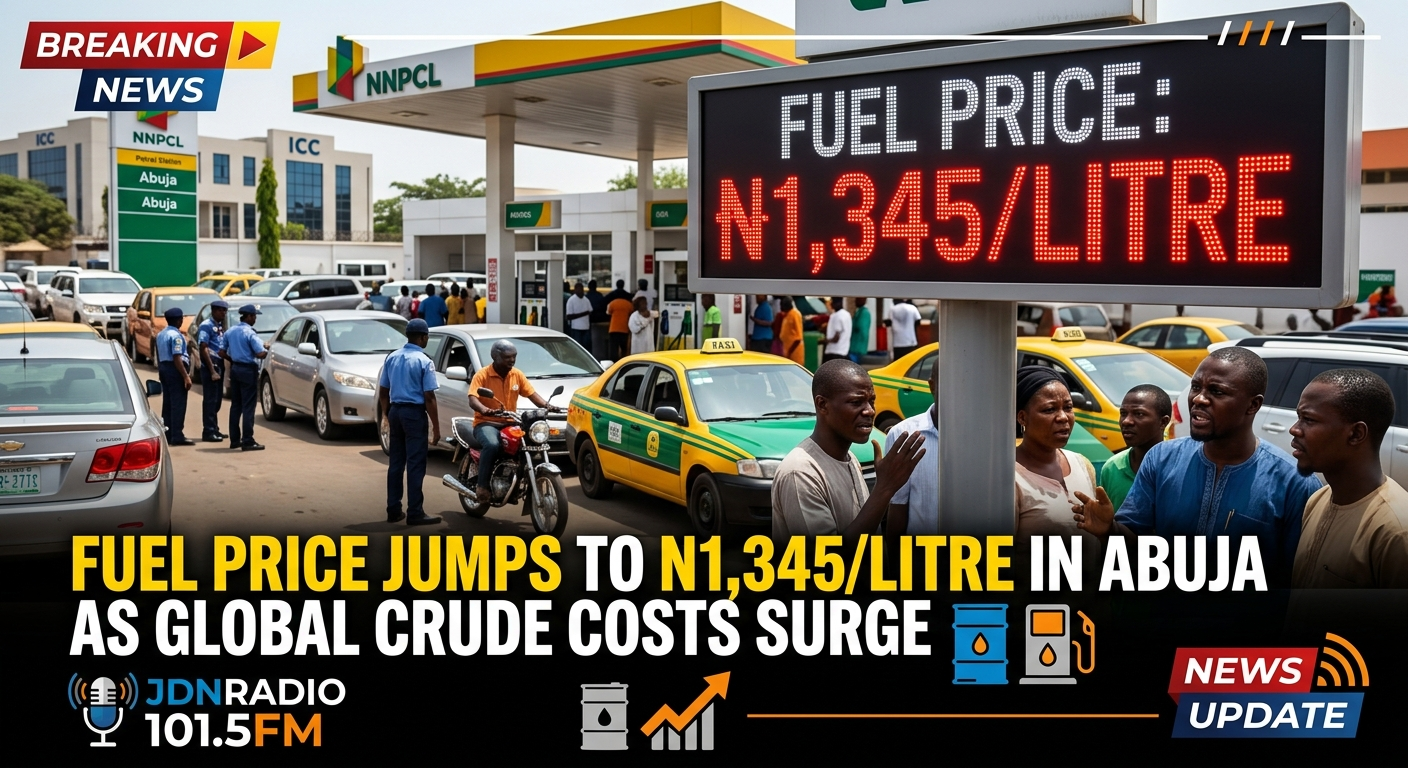
Fuel Price Jumps to N1,345/Litre in Abuja as Global Crude Costs Surge

Back From Leave, Makinde Renews Wage Award for Oyo Civil Servants

Tinubu Orders Full Probe After 37 Miners Die in NSCDC Custody in Niger State

Oyo Police Disburse ₦38 Million Welfare Cheques to 48 Families of Fallen Officers