Petrol Hits N1,400 as Crude Crisis Bites, Makinde Demands Fairer Pricing
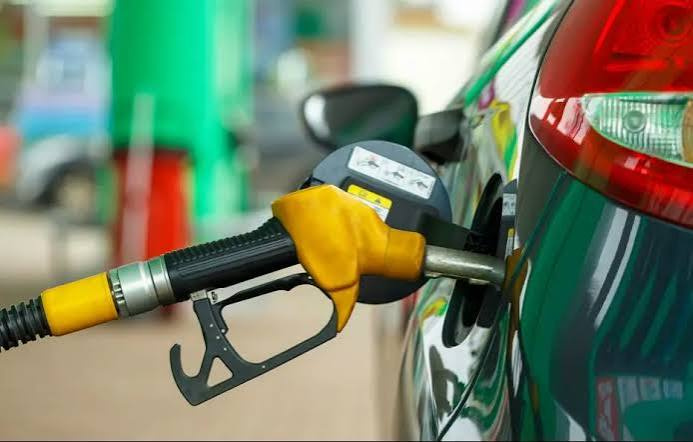
Petrol prices have climbed past N1,400 per litre in Lagos and Abuja after international crude oil surged above $100 a barrel, deepening the cost-of-living pressure on Nigerian households already grappling with transport and food inflation.
Marketers in Lagos were selling petrol at between N1,400 and N1,430 per litre over the weekend, with some outlets such as MRS pricing it at N1,395, while Abuja stations were quoting between N1,400 and N1,450. The increase follows a sharp climb in Brent crude, which touched $107 a barrel last Thursday and traded at $104.61 on Sunday, more than 50 percent above pre-crisis levels of below $69 a barrel earlier in the year.
Industry analysts attribute the spike to heightened Middle East tensions, particularly concerns over the flow of oil through the Strait of Hormuz, which have unsettled global energy markets and pushed up the landing cost of imported and locally refined petroleum products alike.
Dangote Petroleum Refinery raised its ex-depot gantry price by N85 per litre, from N1,265 to N1,350, a move that has fed directly into the retail increases now being felt at the pump. The refinery has said crude oil is typically purchased weeks or months ahead of processing under supply contracts tied to monthly average pricing, which explains why cost changes abroad take time to show up locally — and why they can arrive in sudden jumps once they do.
The Nigerian Midstream and Downstream Petroleum Regulatory Authority attributed the volatility to crude sourcing costs, logistics and transportation challenges, and limited refining capacity, stressing that petrol pricing remains fully deregulated and subject to market forces.
The increase has drawn a sharp response from Oyo State Governor Seyi Makinde, who has publicly questioned Nigeria’s petroleum pricing framework and argued that ordinary Nigerians should not be made to absorb costs driven by global shocks and, in his view, avoidable failures in securing the country’s borders and oil infrastructure. The governor has proposed what he has described as a new route to cheaper petrol, urging the Federal Government to look beyond the current subsidy-versus-deregulation debate toward a fairer pricing model for Nigerian crude.
Reacting to the latest increase, industry watchers and consumer groups have raised concerns over further hardship, with some warning that pump prices could approach N1,500 per litre if global tensions persist. On social media, Nigerians have expressed alarm over the pace of the increases, even as growing numbers say they now expect prices to keep climbing.
For now, marketers say prices will continue to track global crude movements and Dangote Refinery’s gantry adjustments, with no indication of when the current run of increases will ease.
Keep reading
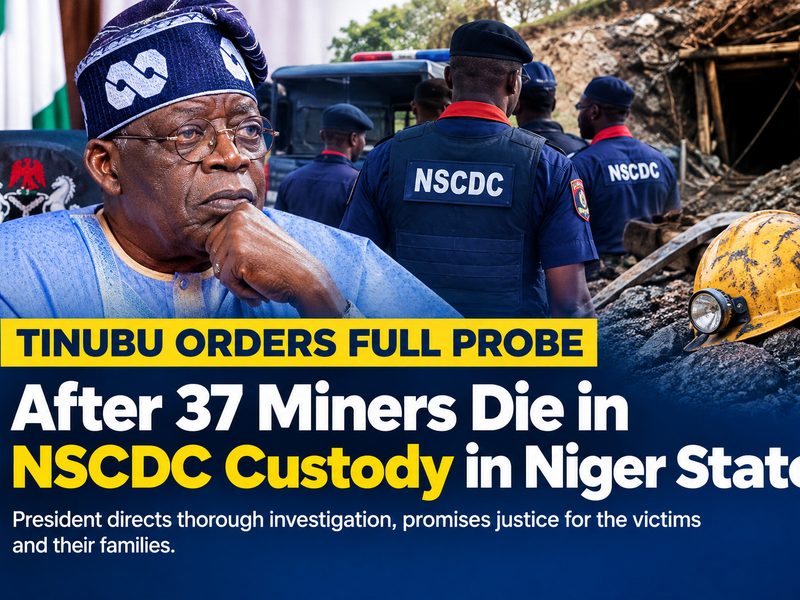
Tinubu Orders Full Probe After 37 Miners Die in NSCDC Custody in Niger State
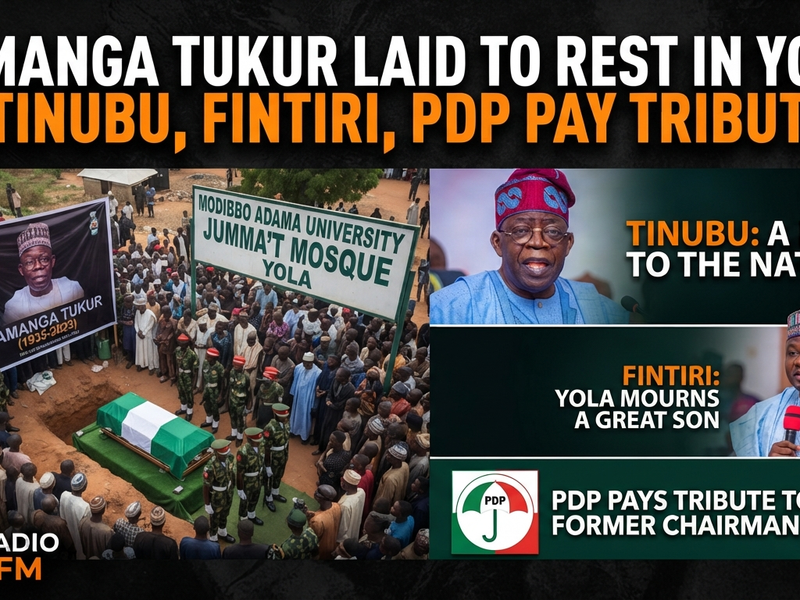
Former PDP Chairman Bamanga Tukur Buried in Yola, Days Before His 91st Birthday

Focus on Your Title’ — Kwankwaso’s Blunt Message to Atiku”
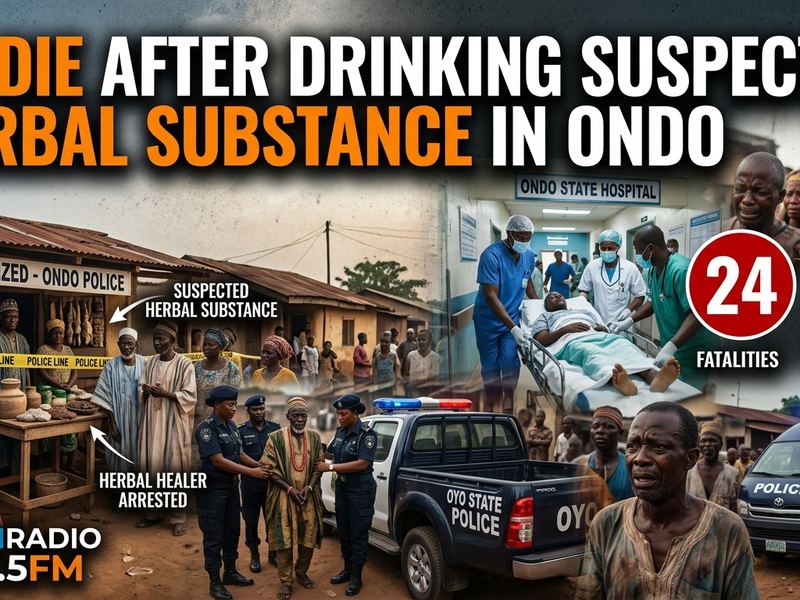
24 Die After Drinking Herbal Drink in Ondo